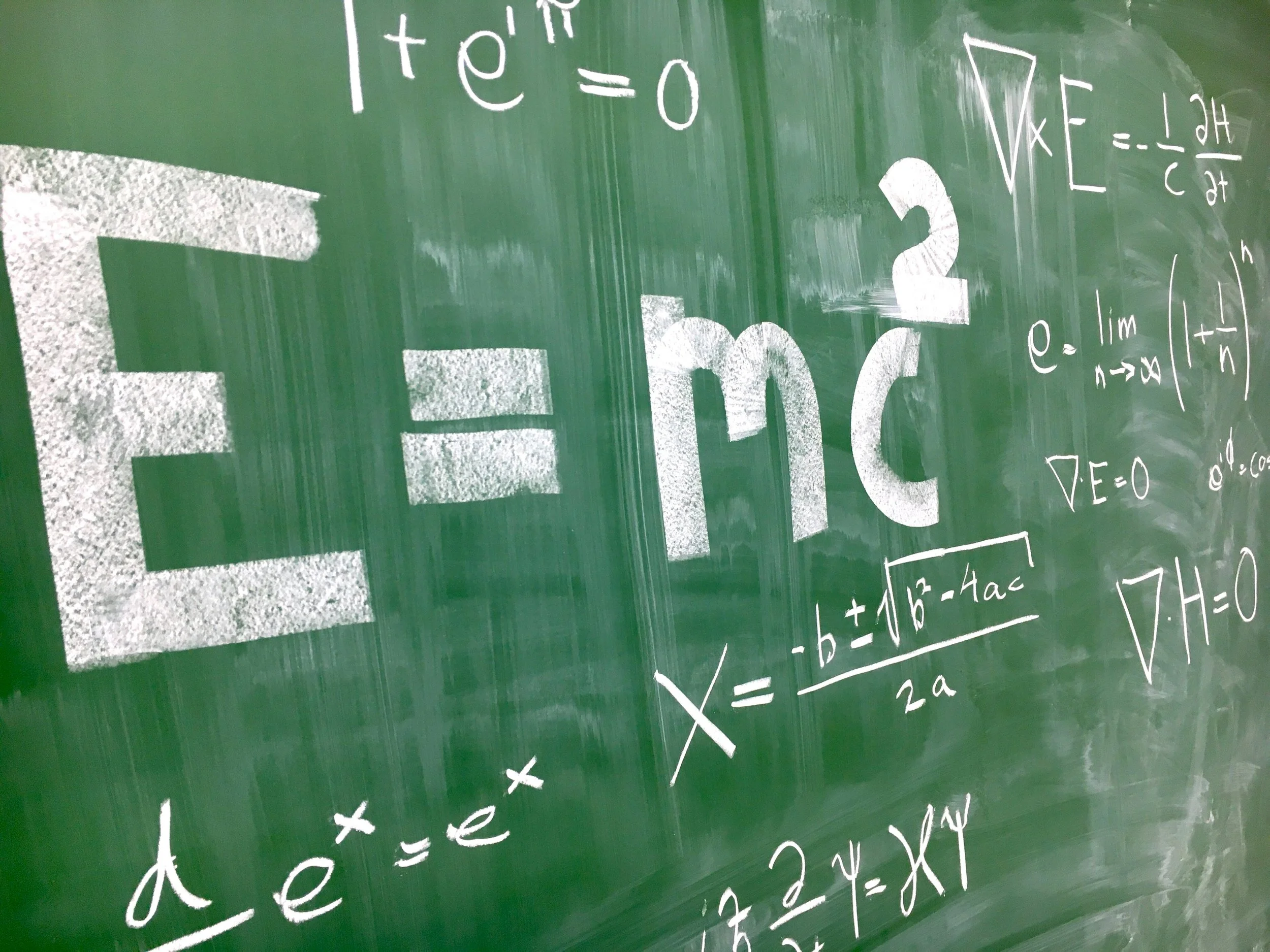
When I was in school, I wanted to do anything but math. I would have checked out when they introduced long division, but peer pressure forced me to hang in there through Algebra 2. Little did I know I’d end up with a career that parallels mathematical operations, concepts, and problem-solving methods.
Timely Tips to normalize (simplify) your home
ADDITION
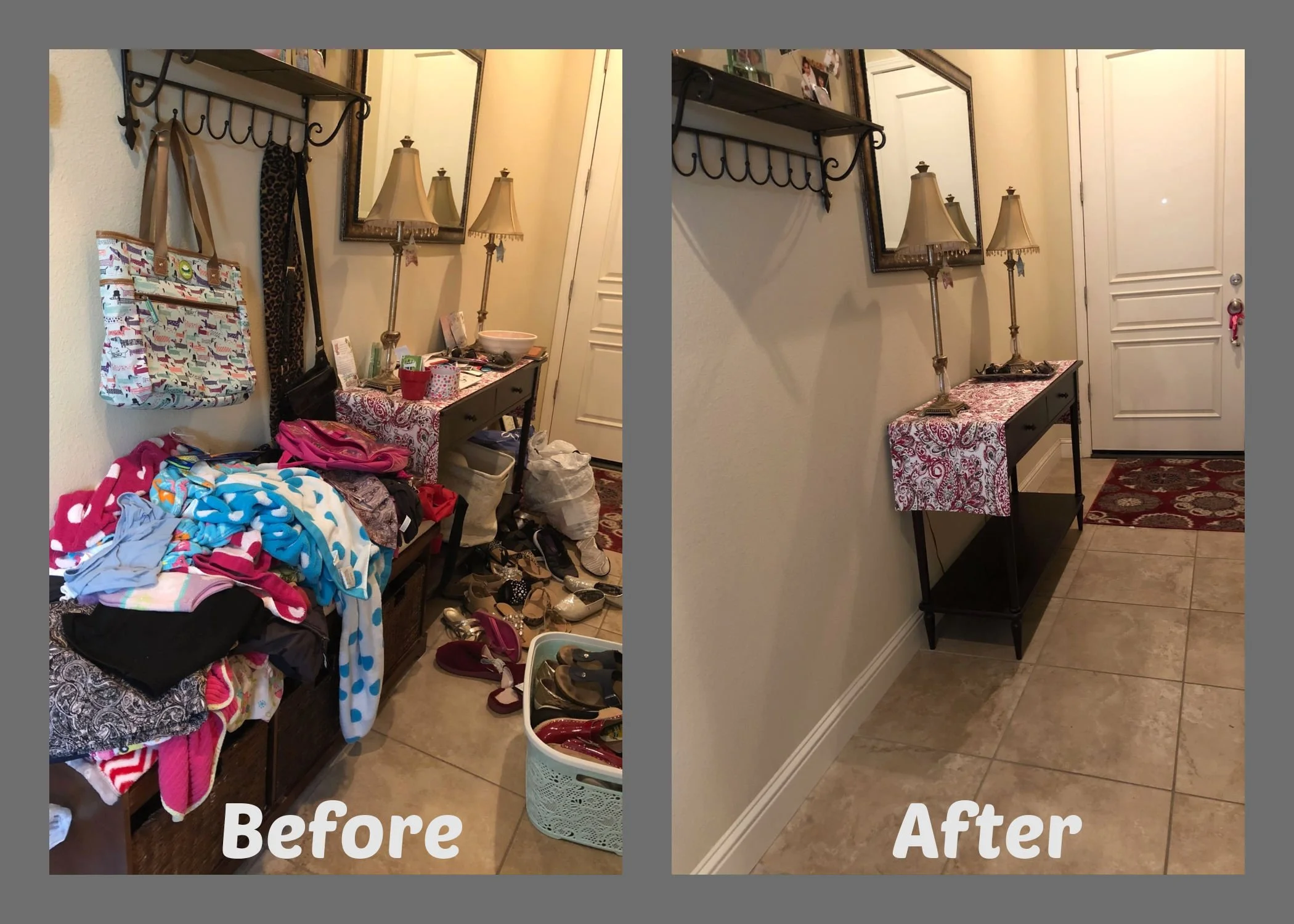
Addition is where it all begins. A+B+C+D+E…= too much stuff! When’s the last time you went a week without bringing something into your home? Granted, much of what we bring in is consumable, but even those items often stay on the shelves partly used or forgotten.
Amazon made the addition of things exponentially easier. Things arrive daily with extra packaging and boxes that also invade our space. For many, the place to begin is to end the addition equation. Put on the brakes and become intentional about what and how much you’re adding.
SUBTRACTION
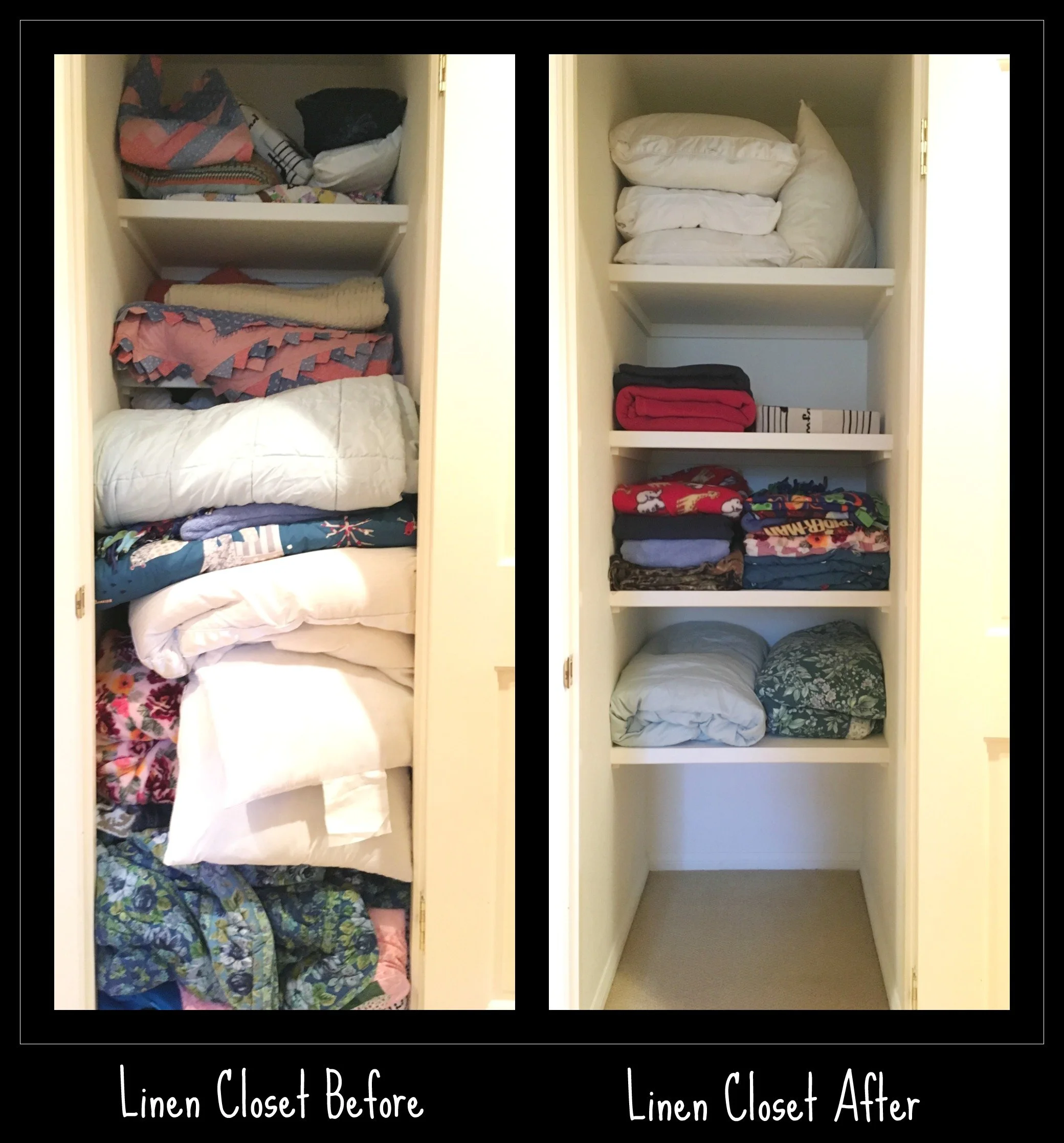
My personal favorite. When my clients say, “There’s no space,” I look into a closet and see space. But first comes subtraction.
Cluttered storage areas cause blindness to what’s there. Everythingseems of equal value because at the time it went in, it was important. “I might use these extra bedspreads someday.” Five years later they’re at the back of the closet taking the space of more important things. But since you can no longer see what’s in there, you assume you need it all.
Sometimes we discover treasures, but often, the longer things are stuffed in a closet, the less valuable they become. Subtracting them creates space for items of true value.
STATS & PROBABILITY
Many people get stuck when attempting to subtract. By analyzing the statistics of the frequency of use, we can predict the likelihood of future use, providing more than just feelings to go on.
Ask statistical questions like—how many times did I use this in the past year? If not at all, can I replace it in 20 minutes for under $20? If so, you can probably subtract it.
BOOLEAN LOGIC
Another method to aid in subtraction is Boolean Logic—a precise rule-based way of making decisions. When subtracting from your closet ask—does this item look good on me AND feel good? Does it look good AND feel good AND NOT need repairing? By determining ahead what to include and exclude, the decision making is easier.
TESSELLATION
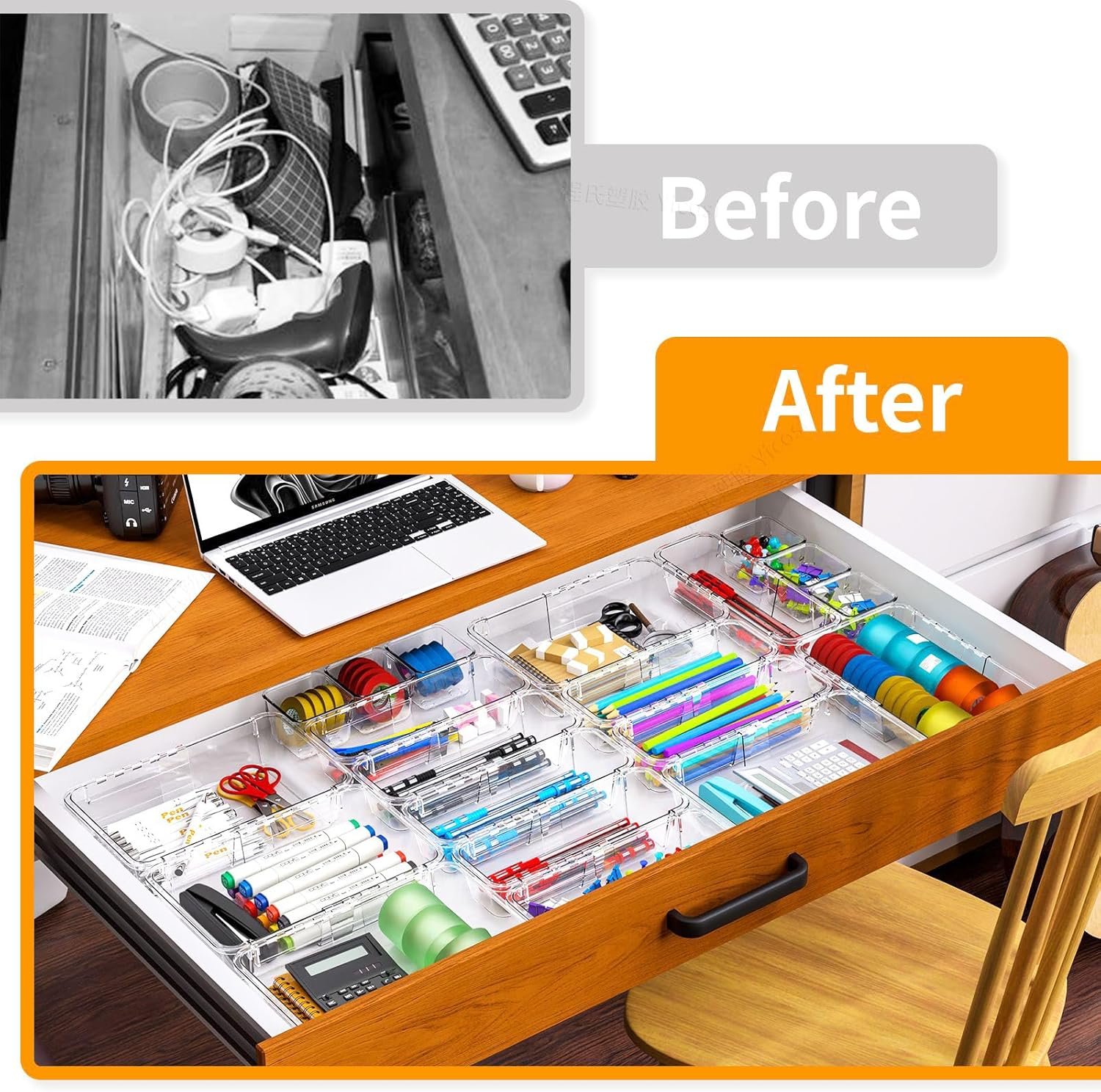
In math a pattern of shapes that fit together without any gaps is called a tessellation. My favorite tessellation is the one that transforms a “junk drawer” into a “supply drawer.” Order an assortment of drawer dividers. Subtract the junk from your drawer. Create a divider tessellation and insert your supplies.
SET THEORY
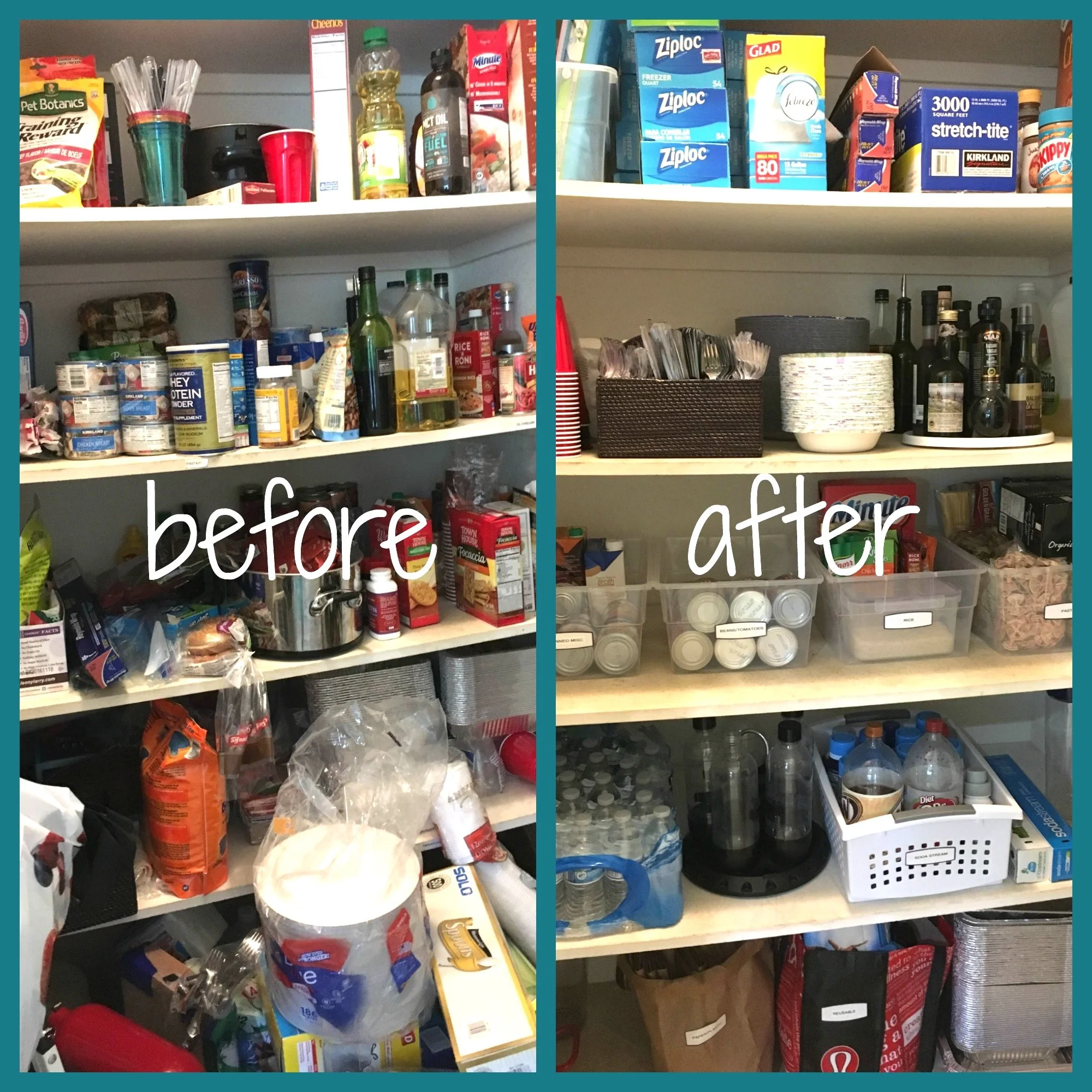
I don’t recall studying this branch of mathematics, but I’m pretty sure I would have mastered it. It’s creating sets of things that share a common property or rule. In organizing we call it--putting like things together. This is the best way to retrieve and maintain things efficiently. If you have one place to look when you need your picnic supplies, olive oil, batteries, etc.—you’ve achieved it.
PERCENTAGES
When it comes to available space in our closets, pantries, and drawers, there’s no 150%. All we have is 100%. Organizing requires making choices about how to use the space. Appliances may take up 15% of the pantry. Food may take 70%. That doesn’t leave 30% of the space for paper goods. Living within the 100% rule means subtracting until it comfortably fits.
wise words
Mathematics is on the artistic side, a creation of new rhythms, orders, designs, harmonies, and on the knowledge side, is a systematic study of rhythms, orders. —William Leo Schaaf (So is organizing!)