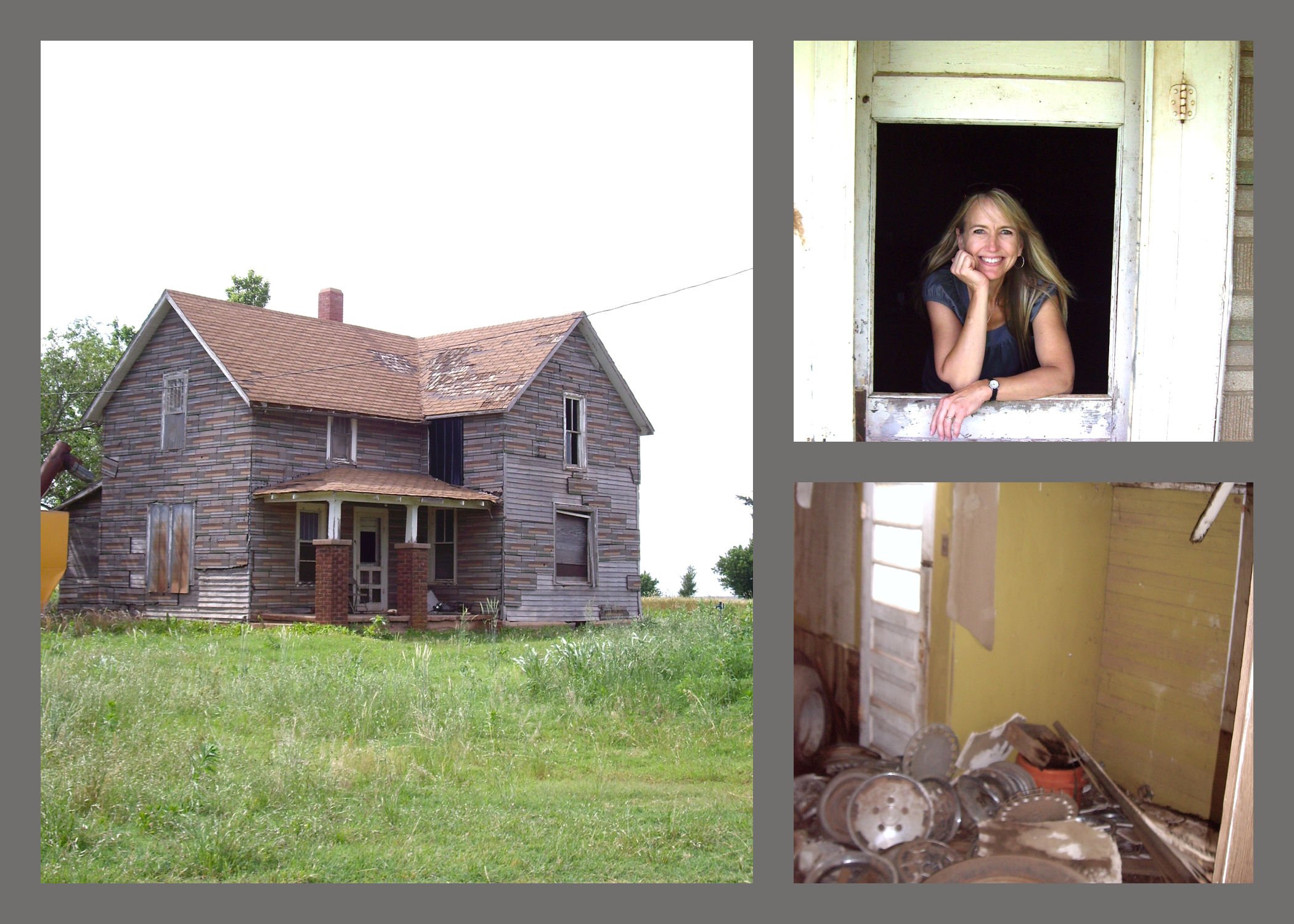
Approaching the abandoned farmhouse, I asked my husband for a piggyback ride. I had experienced chiggers one too many times in the tall Oklahoma grasses. He set me on the front porch, and I cracked open the door to the house built by my great-grandfather in the 1800s.
My mom recalls Sunday afternoon gatherings in this house with lots of cousins, food, and laughter. Oh, to hear the conversations as the women washed and dried dishes, or the stories told to the children at bedtime. If only the walls could talk.
None of those stories were heard that day. What the house told us was that it was no longer a valued refuge, a place where people gathered for celebrations or comfort. It was dilapidated and contained misplaced things like tires and hubcaps.
The walls of our homes will never speak of the things they hear us say, but our homes do speak. When the family room furniture is covered with stuff, it’s saying, “Can’t relax here—too much to do.” When the home office has paperwork piled about, it’s saying, “You’re way behind. You’ll never catch up.” What’s your house communicating to you, your family, and others you share it with?
Don’t hear what I’m not saying. I’m not saying that a welcoming, peaceful and productive house must be model home status 24/7. Lots of homes are lively and active and they should look like someone lives there. Here are three Timely Tips to improve the messages your home is sending you.
Timely Tips to improve your home’s messages
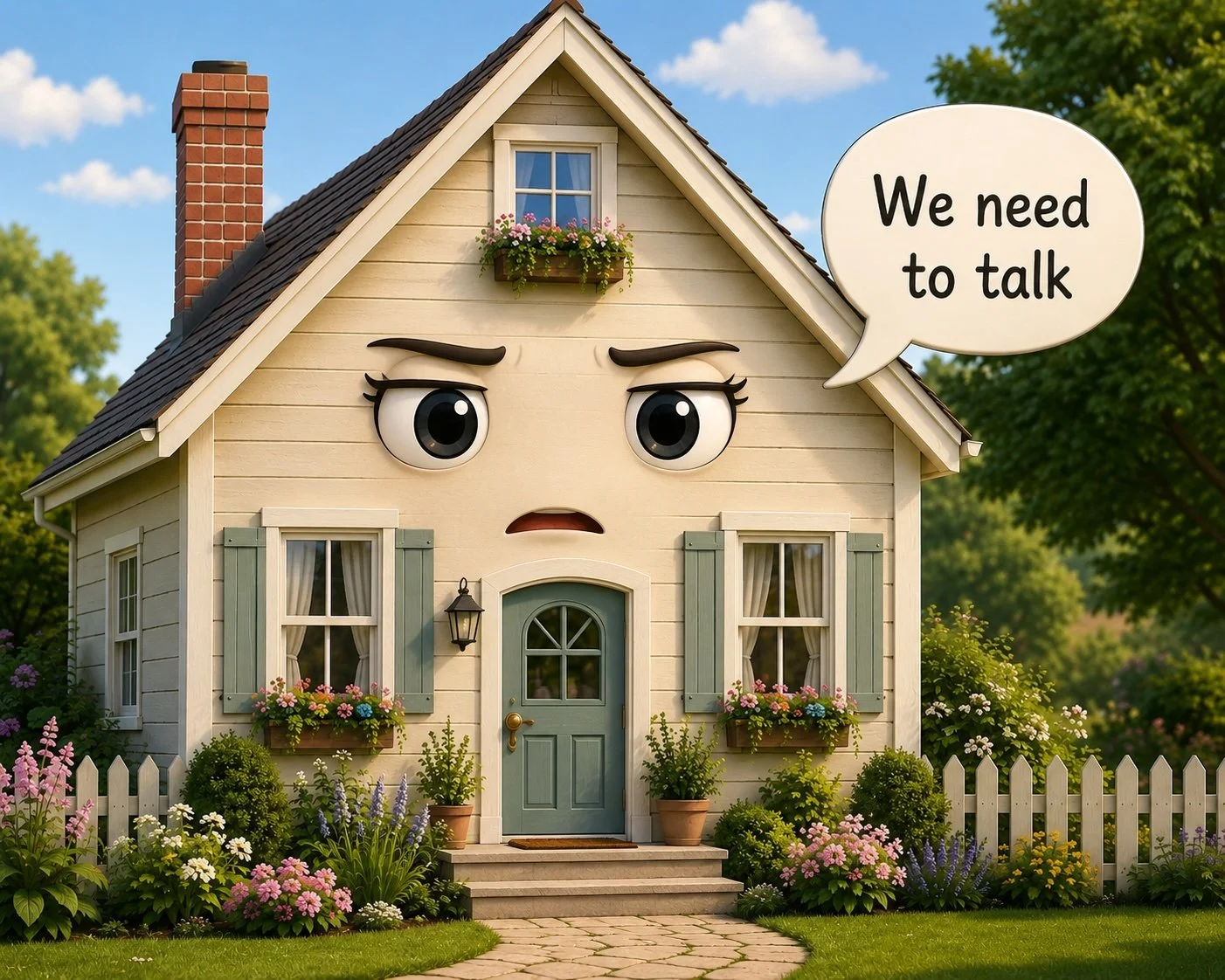
Image generated by ChatGPT
LISTEN
Good listening requires focused thought. Schedule a date with your home so it has your undivided attention.
ONE ON ONE
Just like you can’t listen to everyone at once, you can’t listen to your whole house at once. Reduce the overwhelm and choose one area in your home to focus on.
ASK QUESTIONS
A good listener asks meaningful questions. “Why am I such a failure?” isn’t helpful. Asking, “What is this area trying to teach me?” is productive.

Image generated by ChatGPT
STARTING POINT
A good place to start is where you enter your house. Is it saying, “Welcome, come on in!” or is it suggesting you reroute since it’s blocked with boxes, bags, shoes, and pet supplies?
Ask, “What would make it feel welcoming?” “What needs to change to create a clear path?” Just because there’s a lot of stuff doesn’t mean everything has to go.
The shoes might be saying, “We need a basket or shoe rack here.” The wall might add, “How about some decorative hooks for backpacks, bags, and leashes?”
The Amazon boxes might tell you they’re feeling neglected or out of control. Taking a few minutes to process them daily will keep the path clear.
When the area says, “You’re done!” choose another and put it on your schedule.
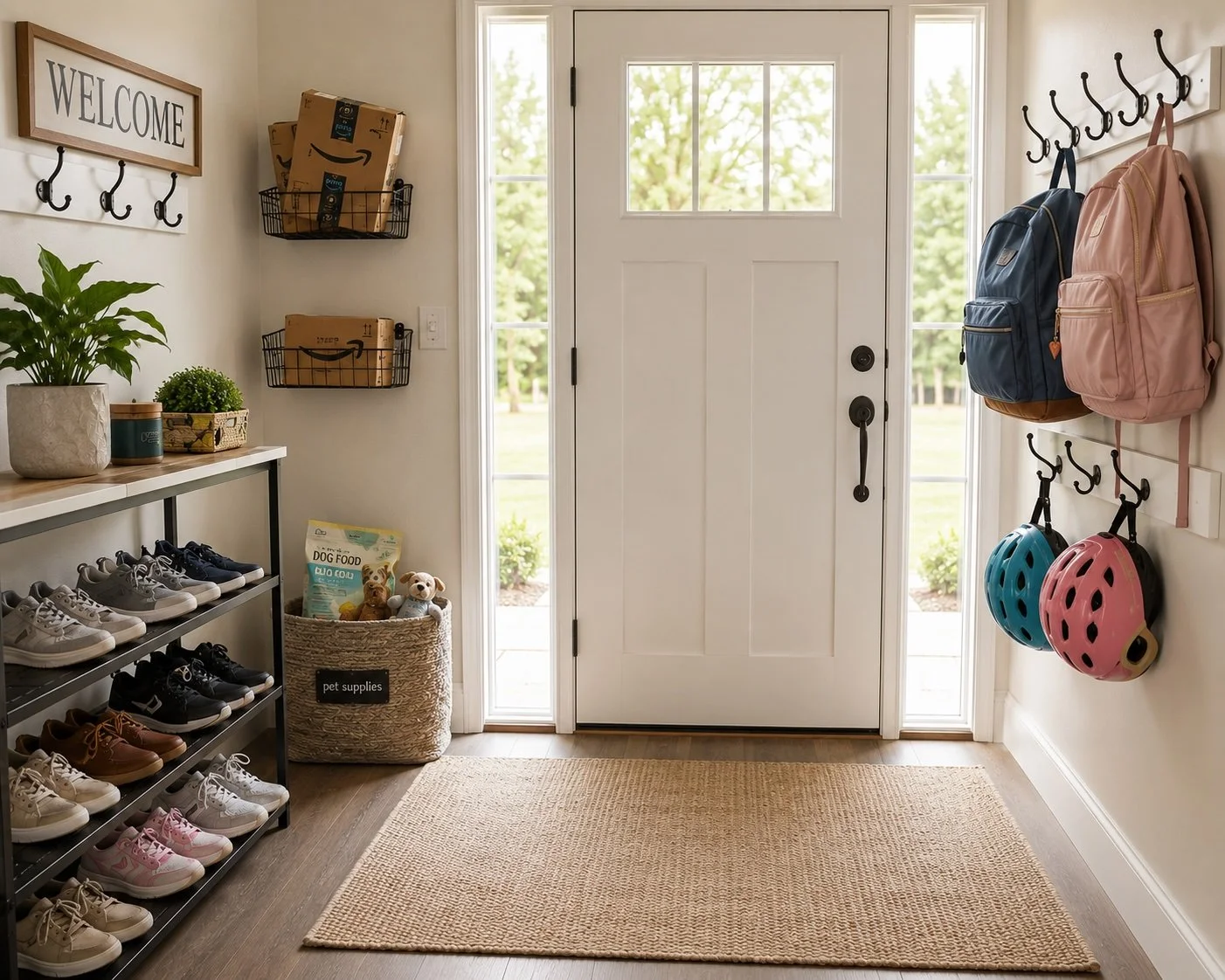
Image generated by ChatGPT
wise words
Clutter isn’t just a mess, it’s a message.